
Phone Interpretation Service: Real-Time Language Support for Global Businesses
Picture a nurse in a busy Houston hospital. A patient arrives speaking only Vietnamese, visibly anxious and unable to communicate their symptoms. There’s no bilingual staff member available at that moment, and delaying care simply isn’t an option. Instead of scrambling for a solution, the nurse calmly dials a toll-free number, requests the required language, and within moments, a trained interpreter joins the call. Suddenly, the conversation begins to flow. The patient feels understood, and the care team can move forward with confidence.
This is how a phone interpretation service is designed to work—quietly, efficiently, and exactly when it’s needed most. Across industries like healthcare, legal services, government, and customer support, businesses are increasingly relying on these language solutions to bridge communication gaps in real time. What makes it even more valuable is its simplicity. There’s no need for special equipment, no complicated scheduling, and no pressure to maintain in-house language experts. For many organizations today, it’s becoming less of an added feature and more of an essential part of daily operations.
What Is Phone Interpretation and How Does It Work?
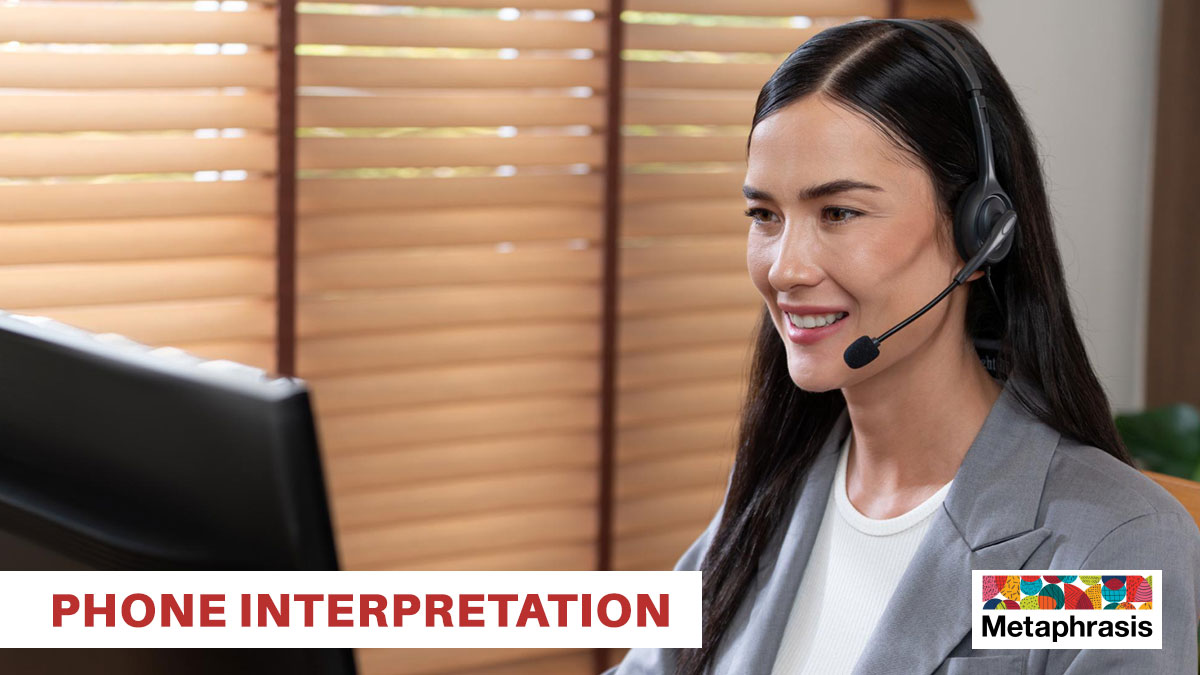
At its core, a professional interpretation service delivered over the phone connects people who speak different languages through a qualified interpreter. This process, often referred to as over-the-phone interpreting (OPI), works through standard phone lines or internet-based calling systems. The beauty of it lies in its accessibility—whether you’re using a desk phone, mobile device, or VoIP system, the service is ready to go.
When a call is placed, the user typically identifies the language they need, and the system connects them to a suitable interpreter, often within seconds. This immediacy can make a meaningful difference in situations where time and clarity matter. Whether it’s a quick administrative call or a detailed consultation, the service adapts to the situation without requiring prior arrangements.
Many providers offer support for a wide range of languages and dialects. While Spanish interpreting services are among the most frequently requested, languages like Mandarin, Arabic, and Vietnamese are also widely supported, along with less commonly spoken ones. Because the service is usually billed based on usage, organizations can scale their language support as needed without committing to fixed resources.
Understanding the Language Access Gap
Language barriers are more common than many organizations initially realize. In the United States alone, approximately 23.5 million people report speaking English less than “very well.” This means that every day, individuals with limited English proficiency interact with healthcare providers, legal professionals, financial institutions, and customer service teams.
When language needs aren’t fully addressed, the impact can go beyond simple misunderstandings. In healthcare, for example, studies have shown that patients facing language barriers are more likely to miss preventive care and experience avoidable medical errors. In other sectors, unclear communication can lead to frustration, reduced trust, or even compliance risks.
Approaching language access with empathy and intention helps organizations create more inclusive experiences. Instead of viewing it as a challenge, many businesses are recognizing it as an opportunity to build stronger relationships and deliver better outcomes.
Who Benefits Most from Phone Interpretation Service?
Healthcare Organizations
Hospitals, clinics, and insurance providers often encounter a wide variety of language needs throughout the day. It’s not always possible to predict which languages will be required or when. A phone interpretation service offers a flexible way to respond to these situations as they arise.
It also plays an important role in supporting compliance with regulations like Title VI of the Civil Rights Act and Section 1557 of the Affordable Care Act. Beyond compliance, though, it helps create a more supportive environment where patients feel heard and respected during vulnerable moments.
Legal, Government, and Financial Services
In legal and government settings, clarity and accuracy are especially important. Even small misunderstandings can have significant consequences. A professional interpretation service helps ensure that conversations remain precise while allowing individuals to fully understand their rights and responsibilities.
Financial institutions also benefit from reliable communication during sensitive interactions, such as discussing account details or resolving potential fraud concerns. In these moments, having access to a trusted interpreter can make the experience smoother and more reassuring for everyone involved.
Businesses and Customer Experience Teams
For organizations serving diverse communities, communication is at the heart of customer experience. When customers feel understood, they’re more likely to engage and build long-term relationships with a brand.
A remote interpreting service allows businesses to support multiple languages without requiring multilingual staff for every possible scenario. It removes friction from conversations and helps create a more welcoming, inclusive environment for customers from all backgrounds.
Phone Interpretation vs. VRI vs. On-Site Interpretation
Different situations call for different approaches, and understanding when to use each type of interpretation can make a big difference.
Video remote interpreting (VRI) adds a visual element, which can be helpful when body language or visual cues are important. It’s especially useful for sign language interpretation or scenarios where facial expressions play a role in communication.
On-site interpretation, on the other hand, involves having an interpreter physically present. This is often preferred for longer, more complex interactions, such as legal proceedings or detailed medical consultations where personal presence adds value.
That said, for many everyday interactions—like customer support calls, appointment scheduling, or routine follow-ups—a phone interpretation service tends to be the most practical option. It offers immediate access, requires no setup, and fits seamlessly into existing workflows.
Tips for Creating a Smooth Interpreted Call
A few thoughtful adjustments can make interpreted conversations feel more natural and effective.
Speaking directly to the other person, rather than to the interpreter, helps maintain a more human connection. Using clear, concise sentences and pausing between them allows the interpreter to deliver accurate translations without feeling rushed.
It can also help to briefly explain the context of the conversation at the beginning. This gives the interpreter a clearer understanding of what to expect and helps them choose the most appropriate terminology.
Minimizing background noise and avoiding overly complex jargon can further improve the quality of the interaction. These small habits contribute to a smoother experience for everyone involved and make the conversation feel less like a workaround and more like a standard exchange.
What to Look for in a Phone Interpretation Provider
Choosing the right provider is about more than just language availability. While a broad language portfolio is important, it’s equally valuable to consider factors like response time, interpreter qualifications, and data security.
Look for providers that carefully vet their interpreters and ensure they have relevant industry experience. Confidentiality is another key consideration, particularly in healthcare, legal, and financial settings where sensitive information is shared.
It’s also helpful to have access to usage reports, which can provide insight into language trends and help organizations plan more effectively. A provider that combines reliability with transparency can become a trusted partner over time.
At Metaphrasis, the focus is on delivering dependable, high-quality language solutions tailored to real-world needs. With support for over 200 languages and interpreters experienced in specialized fields, each interaction is handled with care and professionalism.
Partnering for Better Communication
Language barriers don’t always appear at convenient times, and having a flexible solution in place can make all the difference. A well-designed phone interpretation service offers a way to respond quickly while maintaining clarity and respect in every interaction.
By integrating interpretation into everyday operations, organizations can create more inclusive experiences, strengthen relationships, and navigate communication challenges with greater ease.
Contact our team today! Let’s explore how we can support your organization’s language access needs, one call at a time.
FAQs – Phone Interpretation Service
- What is a phone interpretation service?
A phone interpretation service connects individuals who speak different languages through a professional interpreter via a phone call. It allows real-time communication without needing in-person support.
- When should I use phone interpretation instead of VRI or on-site interpretation?
Phone interpretation works best for quick, everyday interactions. Video remote interpreting (VRI) is helpful when visual cues matter, while on-site interpretation is ideal for longer or more complex meetings.
- Are Spanish interpreting services commonly available?
Yes, Spanish interpreting services are widely available and among the most frequently used. Most providers also support many other languages and dialects.
- Is phone interpretation secure for sensitive conversations?
Reputable providers follow strict confidentiality standards and often comply with regulations like HIPAA, ensuring that sensitive information remains protected.
- How quickly can I connect to an interpreter?
Most remote interpreting service providers can connect you to an interpreter within seconds, making it a reliable option for urgent situations.