
Metaphrasis July 2026 Newsletter: Language, Culture, and the Power of Connection
At Metaphrasis Language & Cultural Solutions, every month brings new conversations worth sharing — about the evolving role of technology in language access, about how organizations can do more for the communities they serve, and about the professional community of interpreters and translators who make it all possible.
This July, we are exploring three topics that sit at the center of where our industry is heading: the relationship between artificial intelligence and human understanding in healthcare, how to build a stronger and more comprehensive language access strategy, and the professional events bringing our community together this season.
CEO Message: Language, Culture, and the Power of Connection
Language is never just words. It carries culture, history, emotion, and trust. The most meaningful moments in language access — a parent finally understanding their child’s IEP, a patient grasping their diagnosis, a new employee feeling genuinely welcomed — happen not just because something was translated or interpreted, but because a real human connection was made.
As technology continues to reshape our industry, we remain anchored to this belief: that the goal of language access is not simply faster communication. It is better communication. Communication that is accurate, culturally aware, contextually appropriate, and deeply human.
That is what Metaphrasis has always stood for. And as the landscape evolves, it is what we will continue to stand for — because everyone deserves to be understood.
When Technology Meets Human Understanding: AI Interpreting in Healthcare
Artificial intelligence is reshaping almost every field — and language services is no exception. In healthcare settings across the United States, there is growing interest in what AI-powered interpreting tools can and cannot do.
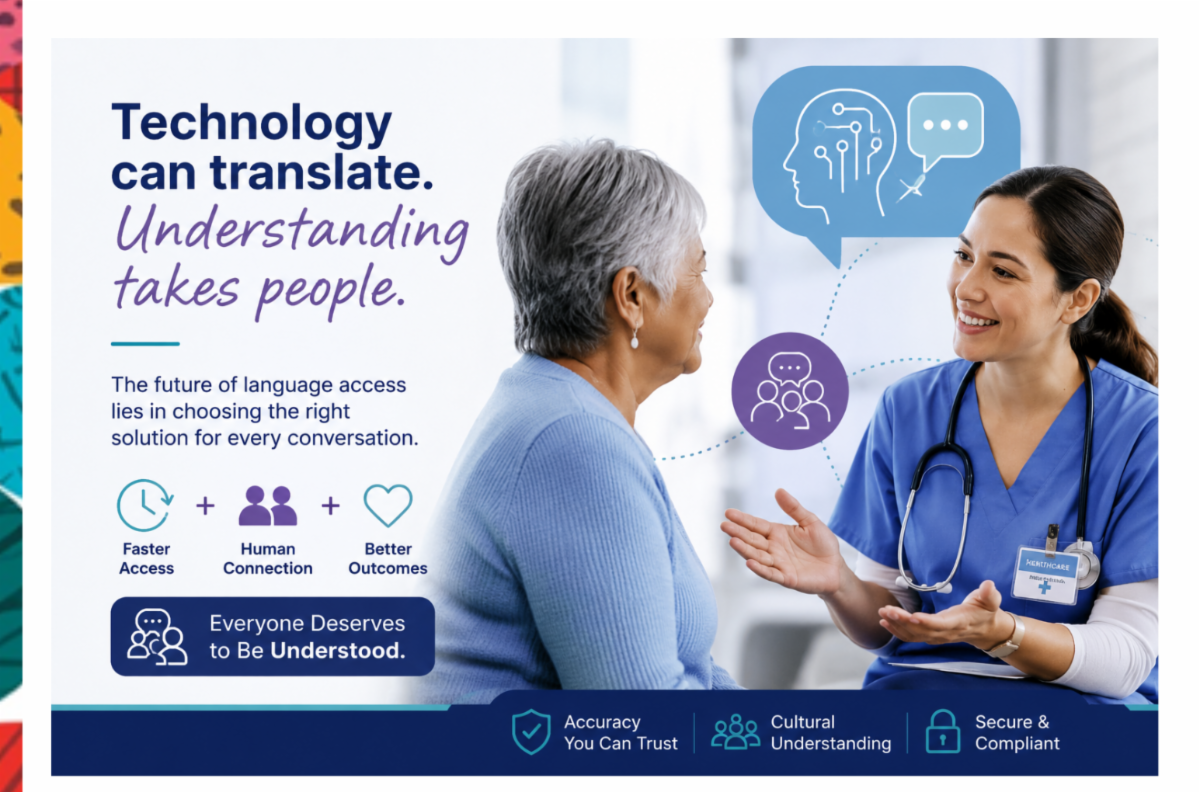
Recent research from Boostlingo and Fierce Healthcare explored exactly this question — surveying healthcare leaders about their perspectives on AI interpreting in clinical settings. The findings reveal a nuanced picture: not a wholesale embrace of AI, and not a dismissal of it either, but a thoughtful recognition that the right tool depends entirely on the situation.
What the Research Found
Healthcare leaders expressed growing interest in using AI interpreting tools for routine, lower-risk interactions — situations where a human interpreter is not immediately available and the stakes of a miscommunication, while real, are manageable. Think of an intake form being completed, a follow-up appointment being scheduled, or a basic administrative interaction.
At the same time, the research made clear that for sensitive, complex, or emergency conversations, human interpreters remain not just preferable — but essential. Consider what is at stake in these situations:
- A physician delivering a cancer diagnosis
- A nurse explaining post-operative care to a patient who is frightened and in pain
- An emergency department encounter where every second matters and symptoms must be described precisely
- A mental health evaluation requiring navigation of tone, emotion, and cultural nuance
- A pediatric appointment where a parent must fully understand consent for a procedure
In each of these situations, the quality of interpretation is not a secondary consideration. It is the difference between safe care and unsafe care.
The Question We Ask at Metaphrasis
For us, AI interpreting raises an important and clarifying question: It is not simply whether AI can interpret. It is knowing when and how it should be used.
Technology can help expand access and reduce delays — particularly in high-volume, lower-acuity situations where the alternative might be no language support at all. That is a genuine benefit. But technology cannot replicate the human capacities that make interpretation in high-stakes healthcare settings effective:
- Cultural awareness — A skilled human interpreter understands not just vocabulary but the cultural context that shapes how meaning is conveyed and received — including silence, indirect communication, family dynamics, and health beliefs that vary across communities.
- Contextual judgment — Experienced interpreters make real-time decisions about when to ask for clarification, when to flag a potential misunderstanding, when a patient’s distress is signaling something beyond the words being spoken.
- Trust — Patients in vulnerable medical situations extend a different kind of trust to a human interpreter than to a machine. The therapeutic relationship that makes healthcare effective depends on human presence and connection.
- Ethical accountability — Professional medical interpreters operate under a code of ethics governing accuracy, impartiality, confidentiality, and professional boundaries — a framework that does not translate to AI systems in the same way.
What the Future of Language Access Looks Like
The future of language access will likely bring people and technology closer together — not one replacing the other, but each serving the role it is actually suited for.
At Metaphrasis, we believe the goal must remain unchanged regardless of how technology evolves: choosing the right solution for each interaction, while ensuring every patient has the opportunity to understand and be understood.
That means using technology where it genuinely helps — reducing wait times, expanding access in underserved areas, handling administrative interactions efficiently. And it means ensuring that human interpreters are present where it matters most — in complex clinical conversations, in emergency situations, in the moments that define whether a patient receives safe and dignified care.
| No matter how technology evolves, everyone deserves to be understood.
This perspective was inspired by findings from Boostlingo and Fierce Healthcare’s 2026 research on AI interpreting in healthcare. |
Are You Getting the Most From Your Language Services?
Many organizations come to Metaphrasis for one specific service — interpretation for appointments, or translation of documents — and build their language access strategy around that single touchpoint. It works. But it often leaves gaps that affect the communities those organizations are trying to serve.
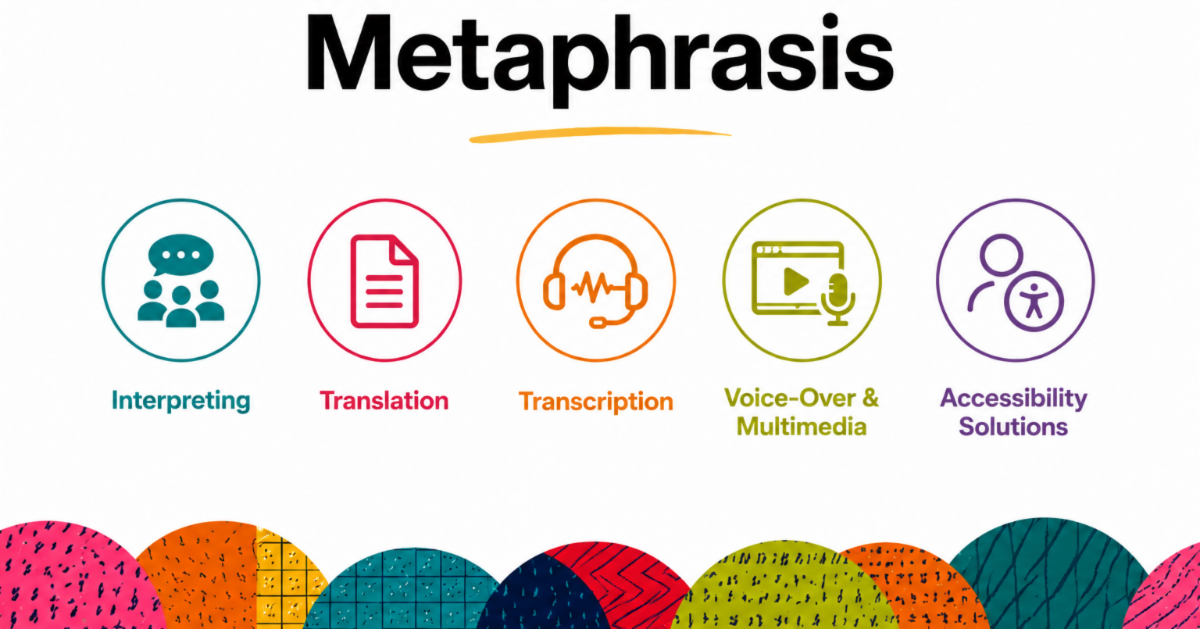
Here is the reality of how language access actually works across the full communication journey:
- Before a conversation happens — People need translated written materials: appointment reminders, intake forms, preparation instructions, consent forms, and informational brochures. If these are only available in English, an LEP individual arrives already at a disadvantage.
- During the conversation — A professional interpreter ensures the live exchange is accurate, complete, and culturally appropriate — whether it is a medical appointment, legal consultation, enrollment meeting, or HR interaction.
- After the conversation — Discharge instructions, follow-up plans, legal summaries, benefit explanations, and training materials all need to be understood. Translation of written follow-up materials is as important as the interpretation that came before.
When interpretation and translation are used together as part of a connected strategy, communication stays clear and consistent across every touchpoint in the journey.
Where Are Your Language Gaps?
The organizations that serve their communities most effectively think beyond the single service they currently use and ask: where else could language barriers be affecting the people we serve?
- Do the documents your patients, clients, or employees receive before and after appointments reflect the same language access you provide during them?
- Are your intake forms, benefit summaries, handbooks, and notices available in the languages your community speaks?
- When someone needs an interpreter urgently and without advance scheduling, do you have a video remote or phone interpretation option ready?
- Are your digital communications — website content, patient portals, online forms — accessible in the languages your community uses?
Metaphrasis can help your organization look at the bigger picture — identifying where language barriers exist across your communication journey and building a strategy that addresses all of them together.
If you currently use Metaphrasis for interpretation, ask us about document translation. If you use us for translation, ask us about adding interpreting support. The strongest language access programs bring multiple services together.
Professional Events for Interpreters: Build Your Community This Season
The language services profession is sustained not just by skills and credentials, but by community. Two events this season offer excellent opportunities to connect, grow, and invest in your professional development.
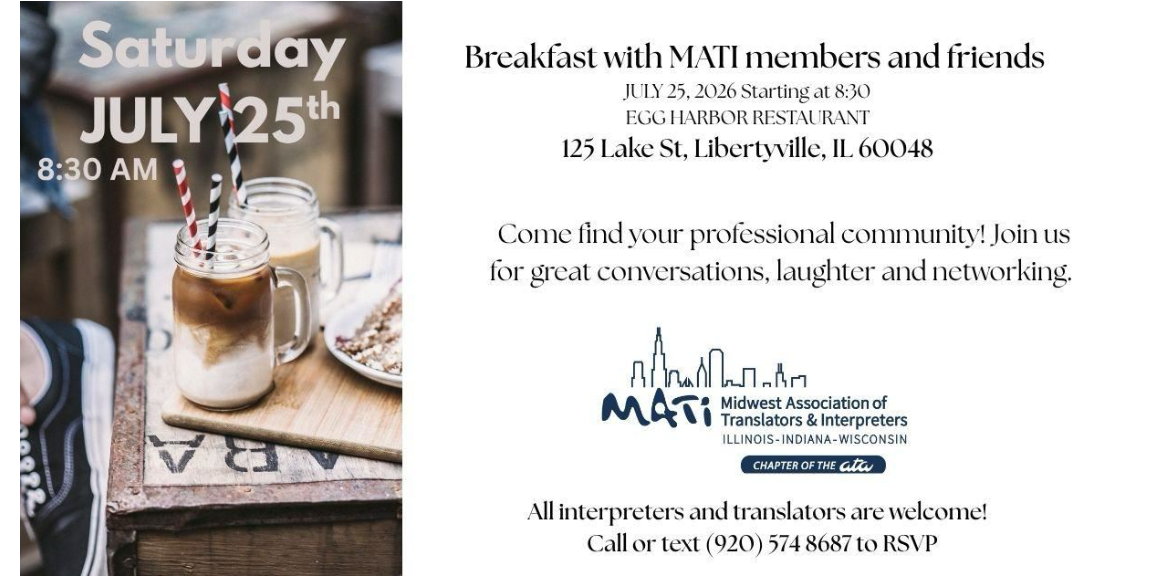
The Midwest Association of Translators and Interpreters (MATI) is hosting a casual networking breakfast in Libertyville, Illinois — and all interpreters and translators are welcome, whether you are a MATI member or not.
The work of an interpreter is often solitary — moving from one assignment to the next, often in emotionally demanding settings, without the built-in professional community that comes with an office environment. Events like this MATI breakfast create space to share experiences, build relationships, ask questions, and remember that you are part of a larger professional community doing meaningful work.
Come for the coffee and conversation. Stay for the connections that remind you why this work matters. RSVP by calling or texting (920) 574-8687.
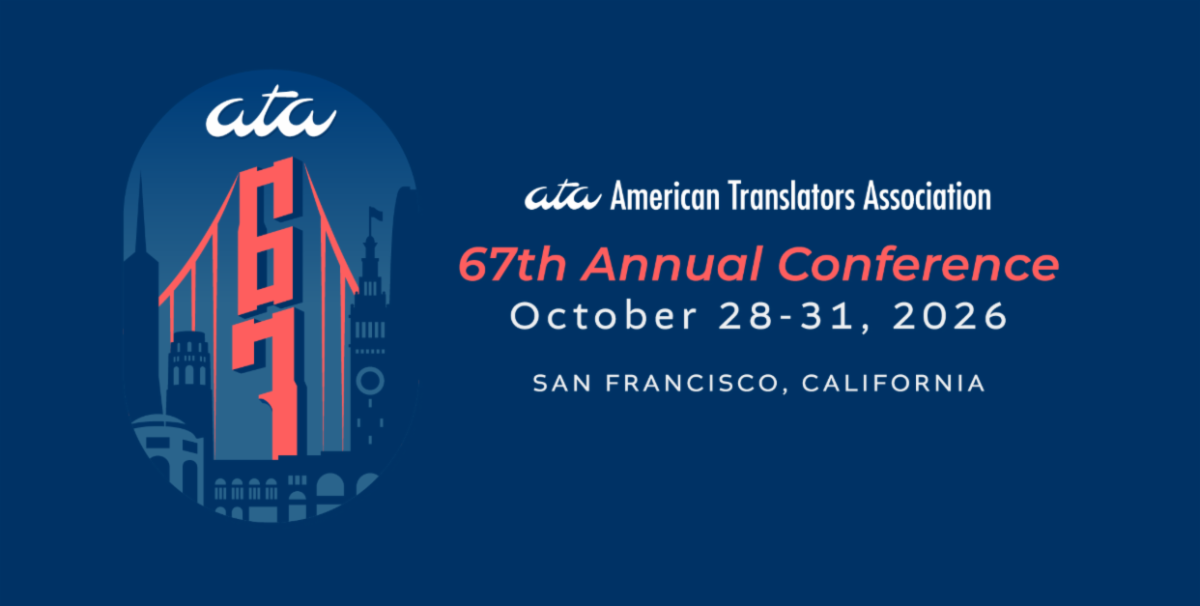
67th Annual ATA Conference — October 28–31, 2026
The American Translators Association’s Annual Conference is the largest professional gathering of translators and interpreters in the Western Hemisphere — bringing together language professionals from more than 60 countries for four days of education, networking, and professional development.
The ATA Annual Conference is a premier opportunity to:
- Attend workshops and sessions led by industry leaders across specialty areas
- Earn continuing education credits toward professional certifications
- Connect with colleagues, mentors, and potential clients from across the country and around the world
- Stay at the leading edge of industry trends — including the evolving role of AI and technology in translation and interpretation
If you are a working interpreter or translator looking to invest in your professional development this fall, mark your calendar now: October 28–31, 2026, San Francisco, California.
Frequently Asked Questions – Metaphrasis July 2026 Newsletter
What is the difference between AI interpreting and human interpreting in healthcare?
AI interpreting uses machine learning to translate spoken language in real time without a human interpreter. Human interpreting involves a trained professional who facilitates communication between two parties. In healthcare, human interpreters are essential for complex, sensitive, or emergency situations because they bring cultural awareness, contextual judgment, professional ethics, and the ability to navigate emotional and clinical nuance that AI systems cannot replicate. AI may be appropriate for low-risk administrative interactions where a human interpreter is unavailable.
When should a healthcare organization use a human interpreter instead of AI?
Human interpreters should always be used for complex, sensitive, or high-stakes clinical interactions — including delivery of a diagnosis, informed consent, mental health evaluations, emergency encounters, end-of-life discussions, and any situation where miscommunication could cause patient harm. The 2026 Boostlingo and Fierce Healthcare research confirms that healthcare leaders view human interpreters as essential in these contexts.
How can my organization build a stronger language access strategy?
The strongest language access strategies address communication before, during, and after key interactions — combining professional interpreter services for live spoken communication with document translation for written materials like forms, instructions, and notices. Metaphrasis can help your organization audit its current language access program and identify gaps. Call (815) 464-1423 to get started.
Does Metaphrasis provide both interpretation and translation services?
Yes. Metaphrasis provides a full suite of language services — including on-site interpretation, video remote interpretation (VRI), over-the-phone interpretation (OPI), ASL/sign language interpretation, certified document translation, website translation, and conference interpretation — in 200+ languages. We serve healthcare organizations, schools, government agencies, law firms, and corporations across Chicago, Illinois, and the United States.
What is MATI and who can attend the July 2026 breakfast event?
MATI stands for the Midwest Association of Translators and Interpreters. The July 25, 2026 breakfast at Egg Harbor Restaurant in Libertyville, IL is open to all interpreters and translators — you do not need to be a MATI member to attend. RSVP by calling or texting (920) 574-8687.
When and where is the 2026 ATA Annual Conference?
The American Translators Association 67th Annual Conference will be held October 28–31, 2026 in San Francisco, California. It brings together language professionals from more than 60 countries for four days of sessions, workshops, and networking — the largest professional gathering of translators and interpreters in the Western Hemisphere.
How does Metaphrasis approach the use of AI in language services?
Metaphrasis believes that the goal of language access — ensuring every person has the opportunity to be understood — must guide decisions about when and how technology is used. We recognize that AI may play a role in expanding access for routine, lower-risk interactions, but we believe human interpreters remain essential for complex, sensitive, and high-stakes communication. Our focus is always on choosing the right solution for each interaction and each person served.