
Advancing Language Access in the U.S.: What It Means for Communities in 2026
March is more than just the arrival of spring—it’s a season of reflection, renewal, and recognition. At Metaphrasis, this month holds special meaning as it brings together themes of advancing language access in the USA, women’s empowerment, and the transformative power of communication. From policy developments to community initiatives, our March highlights reflect a shared commitment to making every voice heard, understood, and valued.
Language as Power: A Message That Resonates
At the heart of everything we do at Metaphrasis is a simple yet profound belief: language is power. It shapes how people access healthcare, education, legal systems, and everyday opportunities. For individuals in multilingual communities especially women language is often the difference between being included or overlooked.
This month, as we celebrate International Women’s Month, we are reminded of the resilience and impact of women whose voices have historically faced barriers. Language access is not just about translating words it is about ensuring dignity, equity, and understanding. When someone can fully express themselves and be understood in their own language, it fosters trust and opens doors that may otherwise remain closed.
Every interaction matters. Whether it’s an interpreter ensuring a patient understands their care plan or a translated document helping a family access vital resources, these moments create meaningful change. At Metaphrasis, we see language not just as a tool, but as a bridge that connects people to opportunity and belonging.
Advancing Language Access in the USA: Key Policy Updates
Recent developments from the U.S. Commission on Civil Rights (USCCR) highlight a growing national focus on language accessibility. Their newly approved report sheds light on the persistent barriers faced by individuals with Limited English Proficiency (LEP) across critical sectors such as healthcare, education, legal systems, and government services.
The findings are both important and urgent. Many individuals still encounter challenges when trying to access essential services due to language gaps. The report outlines actionable recommendations aimed at strengthening compliance with federal language access requirements and improving how organizations serve multilingual populations.
This aligns closely with Metaphrasis’ mission. We believe that access to information and services should never depend on the language someone speaks. As awareness grows, organizations across industries have an opportunity and responsibility to create more inclusive communication systems.
Language access is not a luxury; it is a necessity. By prioritizing it, institutions can build stronger relationships with the communities they serve while ensuring fairness and equity remain at the forefront.
Honoring Women Who Bridged Language and Cultural Gaps
Women have played a powerful role in shaping communication across cultures, often working behind the scenes to connect people and ideas. This Women’s History Month, we reflect on a few remarkable figures whose contributions continue to inspire the language access field.
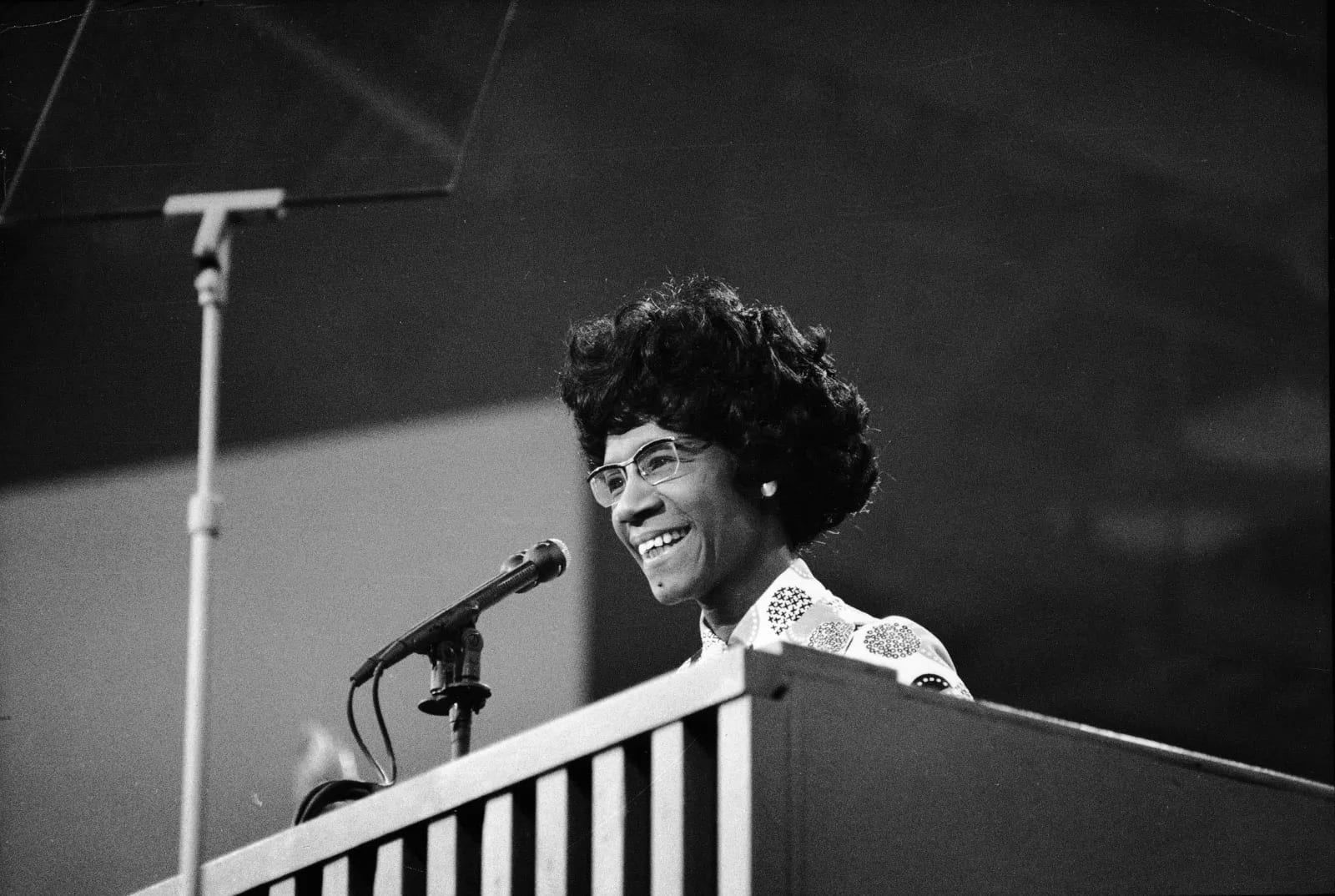
 Shirley Chisholm
Shirley Chisholm, though not an interpreter, was a fierce advocate for equitable access and inclusive systems. Her work emphasized the importance of making institutions understandable and accessible to all, reinforcing the value of clear and inclusive communication.
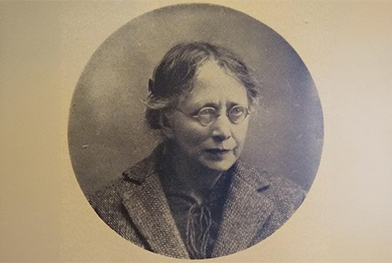
 Constance Garnett
Constance Garnett transformed global literature by translating over 70 Russian works into English. Her efforts introduced readers worldwide to authors like Tolstoy and Dostoevsky, proving that translation can transcend borders and bring cultures together.
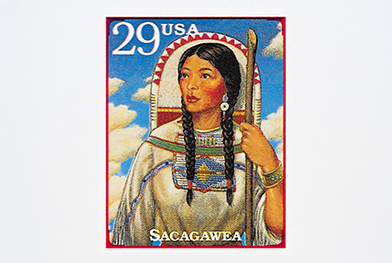 Sacagawea
Sacagawea, known for her role in the Lewis and Clark expedition, used her interpretation skills to facilitate communication with Native tribes. Her contributions were instrumental in ensuring safe passage and mutual understanding during a pivotal moment in history.
These women remind us that bridging language gaps is an act of leadership, courage, and connection. Their legacy continues to shape how we approach communication today.
National Reading Month: Stories Without Boundaries
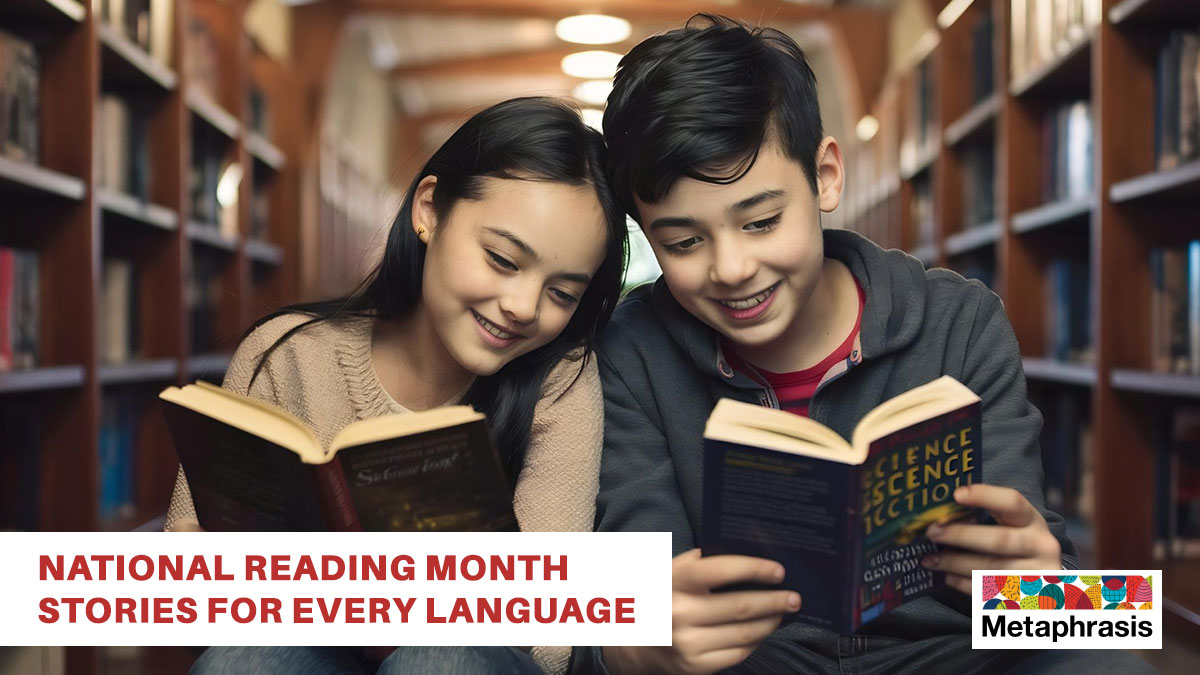
March is also National Reading Month, a time to celebrate the joy and importance of storytelling. Books have the power to transport us, educate us, and connect us to experiences beyond our own. But for many individuals, access to these stories depends on one critical factor—language.
Translation plays a vital role in ensuring that stories, educational materials, and essential information are accessible to diverse audiences. From children learning to read in their native language to adults accessing healthcare resources, language services make knowledge more inclusive.
At Metaphrasis, we believe that everyone deserves access to stories and information, regardless of the language they speak. When content is available in multiple languages, it empowers individuals to learn, grow, and engage with the world around them.
Reading is more than a pastime—it is a pathway to opportunity. By supporting multilingual access to literature and information, we help build communities that are informed, connected, and empowered.
Professional Development: Strengthening the Interpreter Community
The language access field continues to evolve, making ongoing education and collaboration essential for interpreters. Professional development opportunities not only enhance skills but also create spaces for connection and shared learning.
This month features valuable opportunities such as:
- Interpreting for Addiction Services (March 21 & 28): A specialized course designed to equip interpreters with the terminology and strategies needed for sensitive healthcare environments.
- ALC On the Hill (March 26): A virtual event bringing together language professionals to advocate for industry needs and address challenges impacting language access nationwide.
These initiatives highlight the importance of staying informed and engaged. Interpreters play a critical role in ensuring accurate and empathetic communication, particularly in high-stakes settings. By investing in their growth, we strengthen the entire language access ecosystem.
Celebrating Language Through Community: The Spring Challenge
As spring approaches, it brings a sense of renewal and connection. At Metaphrasis, we celebrate this season by embracing the diversity of language in a simple yet meaningful way—learning how to say “Hello, Spring!” in different languages.

- Spanish: ¡Hola, primavera!
- French: Bonjour le printemps!
- Arabic: مرحبا بالربيع
- Polish: Witaj wiosno!
This small exercise reflects a larger idea: language is something to be shared, celebrated, and appreciated. Even simple phrases can spark curiosity and foster cultural understanding.
Looking Ahead: Building a More Inclusive Future
The themes of March—empowerment, access, and connection—are not limited to a single month. They represent an ongoing commitment to creating a world where communication is inclusive and equitable.
At Metaphrasis, we remain dedicated to expanding language access in meaningful ways. Whether through advocacy, professional development, or community engagement, our goal is to ensure that every individual has the opportunity to be heard and understood.
As conversations around language access continue to grow, so does the opportunity to make lasting change. By working together, we can create systems that are not only efficient but also compassionate and inclusive.
FAQs – Advancing Language Access in the USA
- What is language access and why is it important?
Language access ensures that individuals who speak different languages or have limited English proficiency can understand and communicate effectively in essential settings like healthcare, education, and legal systems. It is important because it promotes equity, safety, and inclusion, allowing everyone to fully participate in society.
- How does Metaphrasis support multilingual communities?
Metaphrasis provides professional interpretation and translation services that help individuals access critical information in their preferred language. This includes support in healthcare, legal, and community settings, ensuring clear and respectful communication.
- What are the biggest challenges in language access today?
Some of the main challenges include limited availability of qualified interpreters, inconsistent policy enforcement, and lack of awareness among organizations. Reports like the USCCR study highlight these gaps and encourage improvements across systems.
- Why is professional development important for interpreters?
Professional development helps interpreters stay updated on terminology, ethical standards, and best practices. It also enhances their ability to handle complex situations, ensuring accurate and culturally sensitive communication.
- How can organizations improve language accessibility?
Organizations can improve accessibility by offering multilingual resources, hiring qualified interpreters, implementing language policies, and training staff on inclusive communication practices. Small changes can make a significant impact on user experience and trust.
- How does translation impact education and literacy?
Translation makes educational materials accessible to students and families who speak different languages. It supports literacy development, improves comprehension, and ensures equal learning opportunities for diverse communities.