
Employee Handbook Translation Services for Multilingual Workforces
Employee Handbook Translation play a critical role in helping organizations communicate clearly with diverse teams. An employee handbook is most effective when every employee can fully understand it, regardless of their primary language.
Consider a workplace where a large portion of employees speak Spanish, Mandarin, or Vietnamese at home, while the handbook is only available in English. In such situations, even well-written policies may not be fully accessible to everyone. This can create gaps in understanding that affect compliance, communication, and overall workplace harmony.
In today’s workforce, where foreign-born employees represent a significant percentage of the labor market, ensuring that policies are available in multiple languages is becoming increasingly important. For organizations with multilingual teams, Employee Handbook Translation is not just a supportive measure they are an essential part of effective risk management and employee engagement.
This is where professional HR translation service providers like Metaphrasis can offer valuable support, helping businesses ensure that their documentation is clear, accurate, and accessible across languages.
Why Employee Handbook Translation Matters
An employee handbook serves as more than just an introduction to company policies. It outlines expectations, defines rights, and establishes guidelines that employees rely on throughout their time with an organization.
When employees are not able to fully understand these documents, even unintentionally, it can lead to misunderstandings in areas such as workplace conduct, safety procedures, and company policies. Providing translated versions helps ensure that all employees have equal access to important information.
Supporting Compliance and Reducing Risk
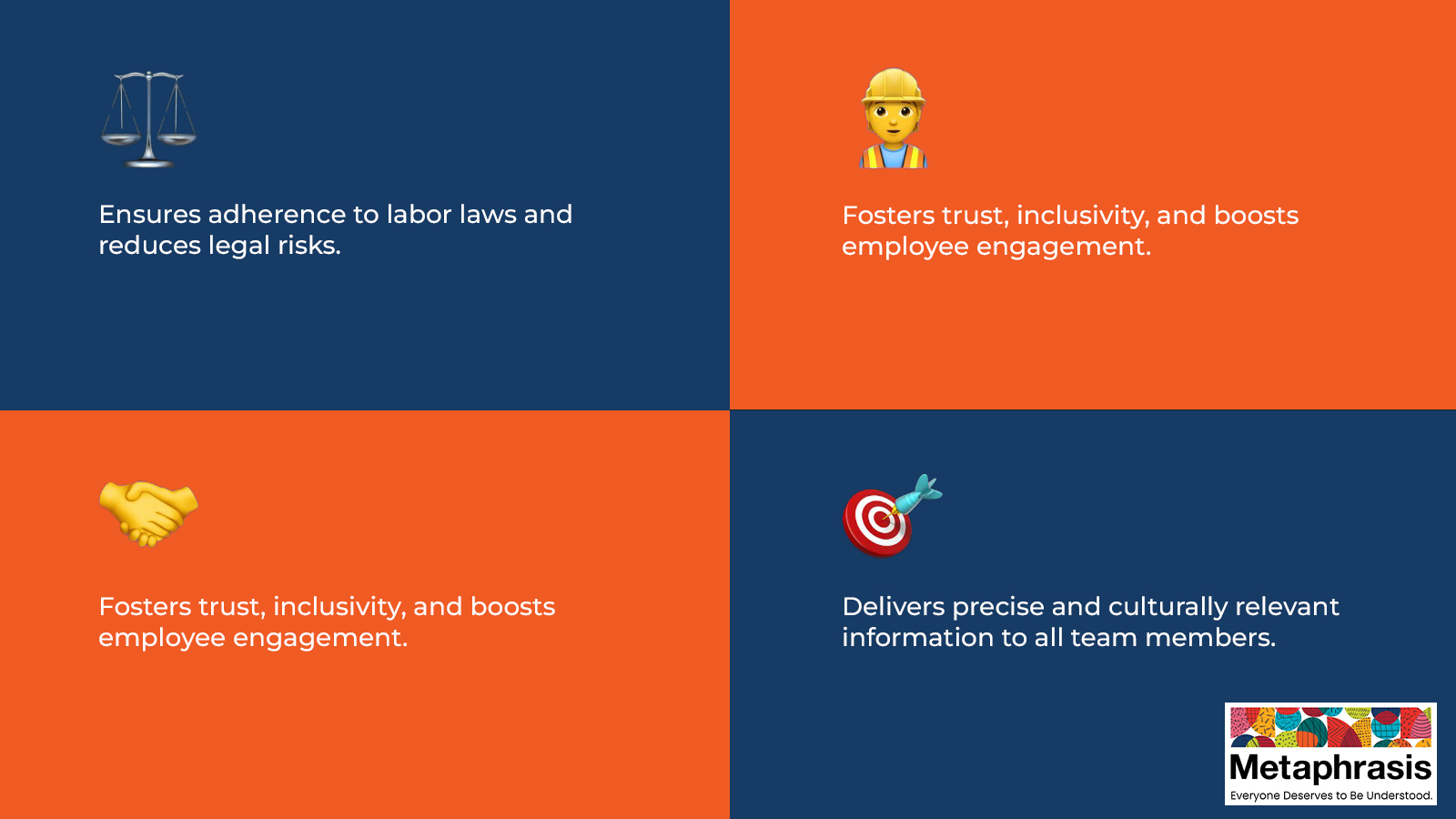
Employers are expected to provide clear communication regarding workplace policies. In situations where language barriers exist, offering translated materials can help reduce the likelihood of misunderstandings and support compliance with regulations such as those related to workplace equality and safety.
Organizations that invest in multilingual translation services often find that clearer communication contributes to a more consistent and compliant work environment.
Promoting Workplace Safety
In industries such as construction, manufacturing, and healthcare, clear communication is closely tied to safety. When employees can access safety procedures and emergency protocols in their preferred language, they are better equipped to follow guidelines correctly.
Accurate translations help reinforce safety awareness and support a more secure workplace for everyone.
Improving Employee Engagement and Retention
Employees who clearly understand company policies, benefits, and expectations are more likely to feel confident and engaged in their roles. Providing translated materials demonstrates a commitment to inclusivity and respect for a diverse workforce.
Over time, this can contribute to stronger employee satisfaction and improved retention rates.
Enhancing Operational Clarity
Even small misunderstandings related to schedules, policies, or procedures can create challenges in day-to-day operations. By ensuring that employees can easily understand key documents, organizations can reduce confusion and maintain smoother workflows.
Defining Your Translation Scope
Before you begin working with a translation provider, it’s helpful to clearly define your needs. Taking the time to assess your workforce and documentation ensures a more effective translation process.
Understanding Workforce Language Needs
Start by reviewing available data such as HR records, onboarding forms, or employee surveys. These insights can help identify the primary languages spoken within your organization.
In many workplaces, Spanish is a common requirement, but depending on your location and industry, additional languages such as Mandarin, Vietnamese, Hindi, or Portuguese may also be important.
Considering Geographic Factors
If your organization operates across multiple regions, language needs may vary by location. For example, a company with offices in different states or countries may require different translation priorities based on local workforce demographics.
Understanding these regional differences helps ensure that your translation efforts are aligned with actual employee needs.
Identifying Documents to Translate
While the employee handbook is a central document, it is often beneficial to translate documents that support it. This creates a more consistent experience for employees and reduces the risk of confusion.
Common documents to consider include:
- Employment contracts and offer letters
- Onboarding materials and training guides
- Safety manuals and compliance documents
- Benefits and enrollment information
- Workplace policies and conduct guidelines
Taking a comprehensive approach helps ensure that employees receive consistent information across all stages of their employment.
Choosing the Right HR Translation Partner
Selecting the right provider is an important step in ensuring the quality and effectiveness of your translations. Not all translation services offer the same level of expertise, especially when it comes to HR and legal documentation.
Expertise in HR and Legal Content
A reliable HR translation service provider should have experience working with employment-related documents. This ensures that terminology is used correctly and that translations reflect the intended meaning of the original content.
At Metaphrasis, projects are handled by translators who are familiar with HR, legal, and business terminology, helping ensure accuracy and clarity.
Structured Quality Assurance
Professional translation typically involves a multi-step process that includes translation, editing, and proofreading. This approach helps maintain consistency and reduces the likelihood of errors.
Confidentiality and Data Security
Employee handbooks often contain sensitive company information. It is important to work with a provider that follows strict confidentiality protocols and secure file handling practices.
Dedicated Project Support
Having a single point of contact throughout the translation process can make communication more efficient and ensure that timelines are met. A structured workflow helps keep projects organized and aligned with your requirements.
Building a More Inclusive Workplace
Providing translated employee handbooks supports more than compliance—it helps create an environment where employees feel informed and included. When team members can clearly understand workplace expectations, they are better positioned to contribute effectively and confidently.
Organizations that invest in multilingual translation services often see improvements in communication, collaboration, and overall workplace culture. Clear communication is essential for workplace safety, especially in industries where employees rely on accurate instructions and procedures.
At Metaphrasis, the focus is on helping businesses deliver accurate and culturally appropriate translations that support both operational goals and employee well-being.

Employee Handbook Translation Services and More
At Metaphrasis, we specialize in helping organizations translate documents for multilingual workforces with accuracy and consistency. Our team works with experienced, native-speaking translators to deliver high-quality results tailored to your industry and requirements.
Ready to get started? Request a free quote today – and let’s make sure your entire team can actually read the handbook.
FAQs – Employee Handbook Translation
- What are Employee Handbook Translation?
Employee Handbook Translation involve converting workplace policies and guidelines into multiple languages so employees can clearly understand expectations, rights, and procedures. - Why are HR translation services important for businesses?
An HR translation service helps ensure that employee-related documents are accurate, clear, and accessible, supporting compliance and effective communication across diverse teams. - Which documents should be translated along with the handbook?
In addition to handbooks, businesses often translate contracts, onboarding materials, safety manuals, and benefits documents to maintain consistency and clarity. - How do multilingual translation services improve workplace communication?
Multilingual translation services help eliminate language barriers, ensuring that employees receive and understand important information regardless of their native language. - How does Metaphrasis ensure translation accuracy?
Metaphrasis follows a structured process that includes translation, editing, and proofreading by experienced professionals to ensure high-quality and reliable results.